

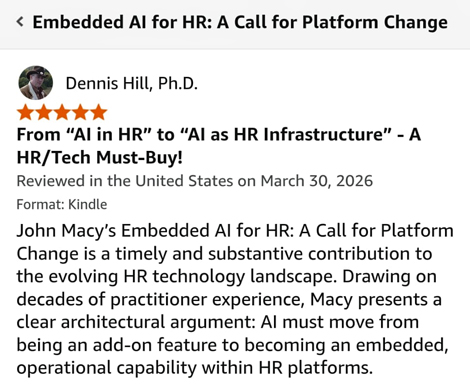
Available 30th March 2026 -


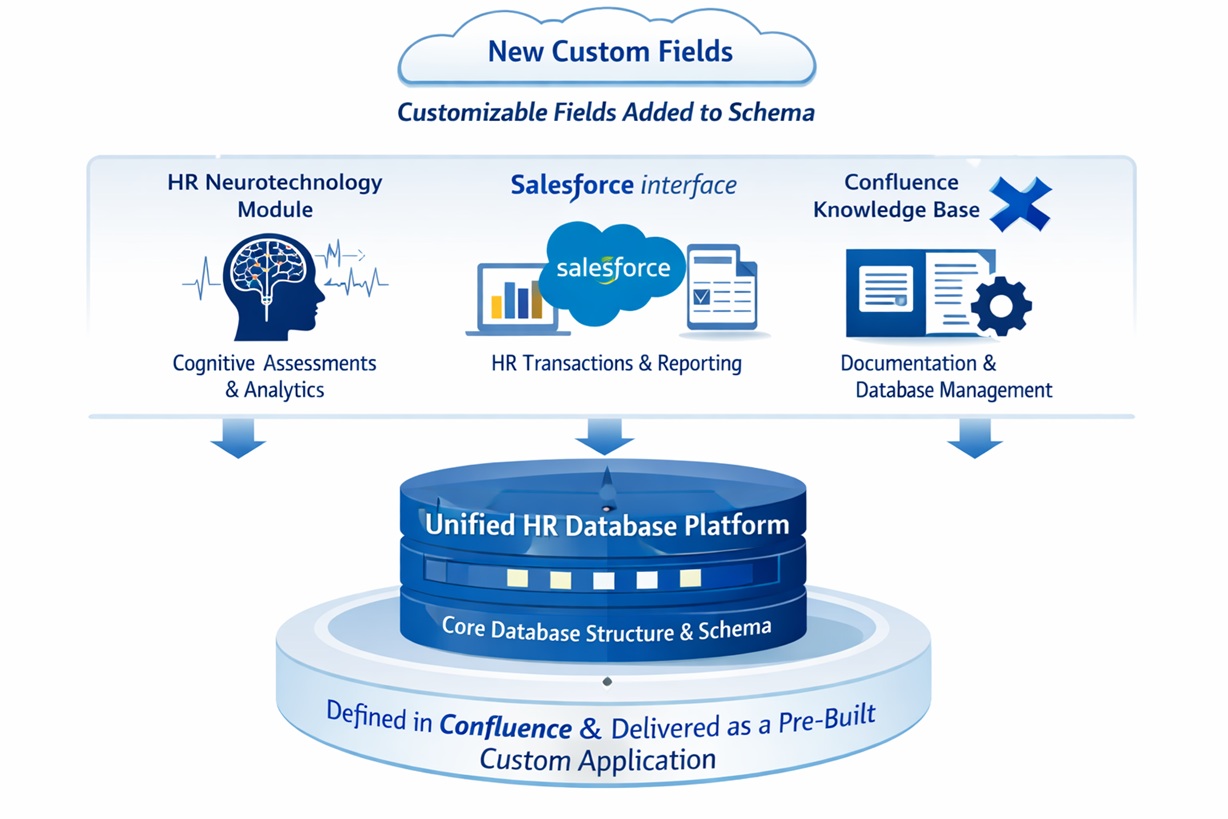
CET’s BCP Validation Study is underpinned by a purpose-built data architecture designed to treat employee neurodata as highly sensitive, regulated information while still enabling its strategic and ethical use. At the core sits a secure Unified HR Database that separates personally identifiable information from neurocognitive metrics through structured data partitioning, encryption at rest and in transit, and strict role-based access controls. The front-end ecosystem - comprising the Confluence Knowledge Base (for AI rationale, governance traceability and controlled knowledge sharing), the Salesforce transaction and business data repository, and the HR neurotechnology module - operates through permissioned integration rather than unrestricted data exposure
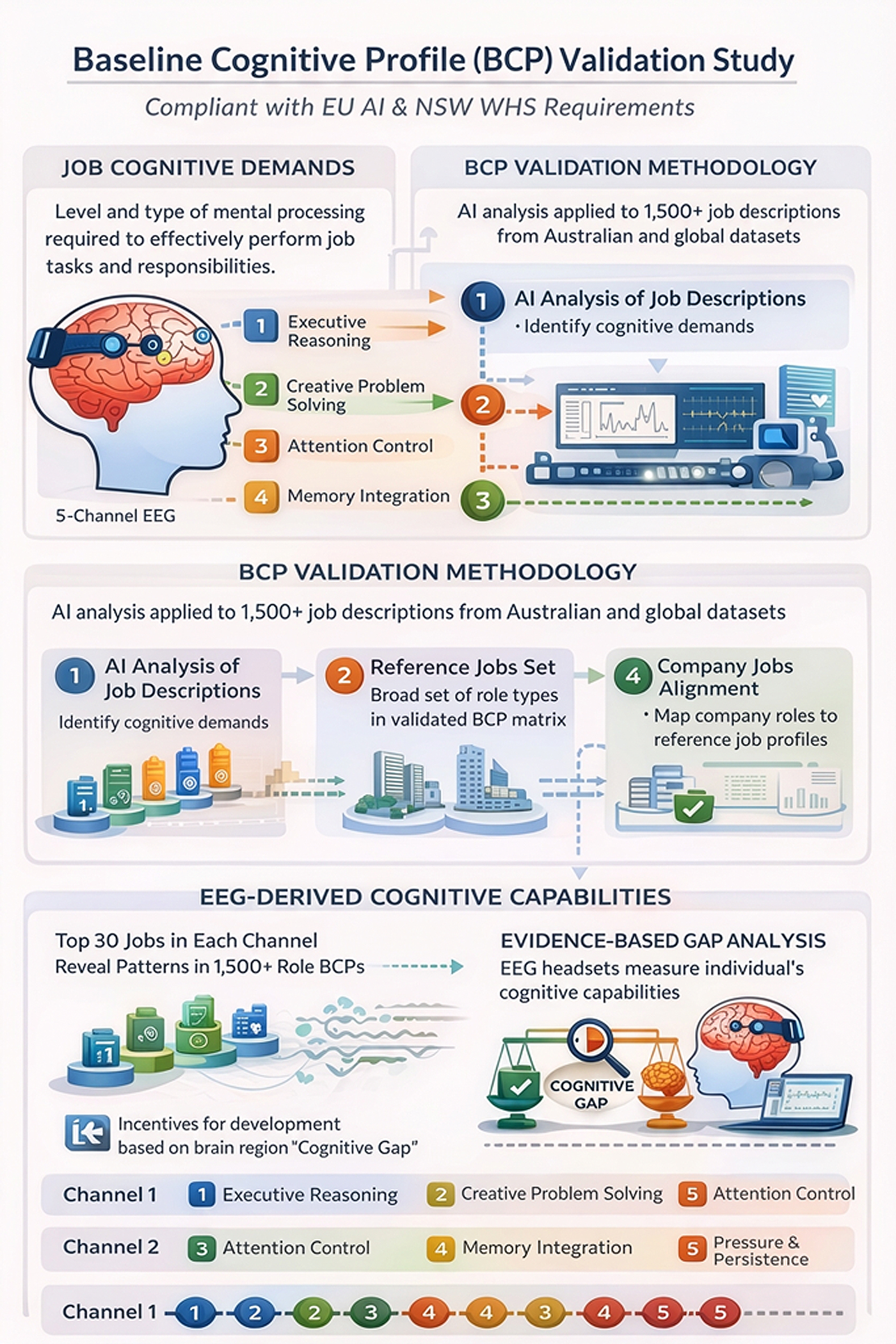
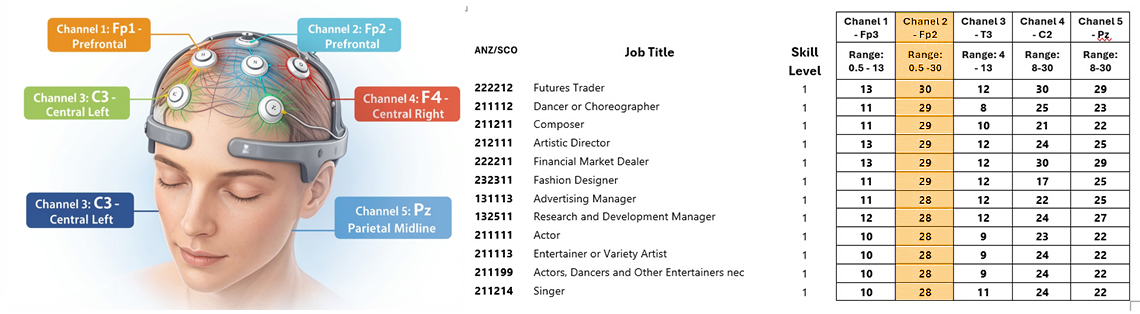
The BCP Validation Study focuses on five key brain regions, monitored through a 5-channel EEG classification system, selected for their relevance to these cognitive functions.
To establish baseline profiles for these regions, AI inference was applied to a rich set of job descriptions sourced from Australian and international occupational datasets. This enabled the identification of hypothetical neural activation patterns and frequency ranges corresponding to each role’s cognitive requirements